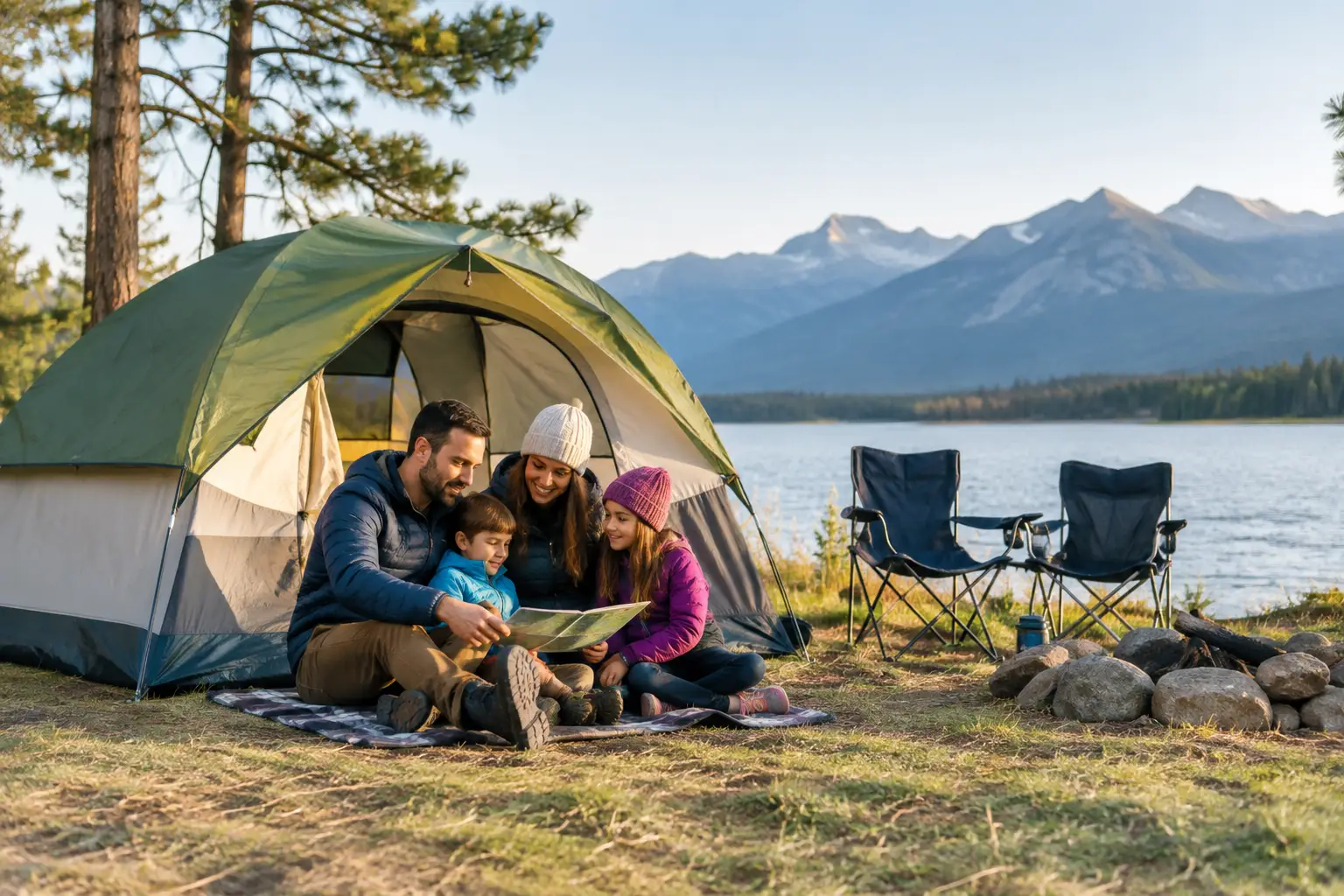
A tent that technically sleeps your family can still make for a long night. When deciding what tent size for family camping, do not shop by the number on the bag alone. Tent capacity usually means the number of sleeping pads that can fit wall to wall, with little room left for duffels, wet shoes, a restless dog, or the person who needs to get out before sunrise.
For most car-camping families, the comfortable answer is to size up by at least one or two people. A four-person family often does best in a six-person tent. If you want room for a portable crib, a dog bed, extra gear, or a little breathing room on a rainy day, an eight-person model may be the better call.
What Tent Size for Family Camping Actually Means
A tent's capacity rating is a starting point, not a comfort guarantee. Manufacturers calculate capacity using standard sleeping-pad widths, commonly around 20 inches per person. That works for lightweight backpacking trips where every ounce matters. It is less realistic for a family campground weekend with wider air mattresses, sleeping bags, clothing bins, and lanterns.
Think first about how your family sleeps. Two adults and two young children can sometimes fit in a four-person tent if the kids are small, you pack lightly, and the forecast is dry. The same group may feel crowded in that tent once the children are on larger pads, the family brings a dog, or everyone needs to wait out an afternoon storm inside.
Floor dimensions matter more than the capacity label. A tent listed as 8 feet by 8 feet provides 64 square feet, while a 10-foot by 10-foot tent provides 100 square feet. That additional 36 square feet is enough space to change clothes, organize bags along a wall, or keep a child from stepping on every sleeping pad.
A Practical Family Tent Size Chart
Use this as a comfort-focused guide for campground, overland, and vehicle-based camping. It assumes you will keep some gear inside the tent and want a usable aisle or open area.
| Your camping group | Minimum capacity | More comfortable capacity |
|---|---|---|
| Two adults and one child | 4-person | 5- or 6-person |
| Two adults and two children | 6-person | 8-person |
| Two adults and three children | 8-person | 10-person |
| Two adults, older kids, or teens | 8-person | 10- or 12-person |
| Family of four plus a dog | 6-person | 8-person |
These recommendations change if you are backpacking to camp. A larger tent gives a family more room, but it also adds packed weight and takes up more room in the vehicle or trail pack. For walk-in sites and short hikes, splitting tent components between adults can make a larger shelter manageable. For longer backcountry routes, two smaller tents may be the smarter option.
Match the Tent to Your Sleeping Setup
Before choosing a capacity, measure the equipment that will actually go on the floor. This is where many families discover that a tent needs to be larger than expected.
A queen air mattress is usually about 60 inches wide and 80 inches long. Put one inside a compact four-person tent and there may be almost no remaining floor space for kids or bags. Two full-size sleeping pads take less width than a queen mattress, but they still need room between them for easy entry and exit.
If your children sleep on narrow pads or small cots, you can often use the floor more efficiently. Cots are especially helpful on wet or sandy sites because they keep bedding up off the ground, but they demand extra width and height. Check both the floor plan and peak height before committing to a cot-friendly family tent.
Do not forget the door location. A tent with one small door at the foot of the sleeping area can turn nighttime bathroom trips into a crawl over everyone else. For four or more campers, two doors are worth prioritizing. They reduce traffic, make bedtime easier, and help the tent feel less cramped even when the floor dimensions are unchanged.
Plan for Gear, Weather, and the Dog
The right family tent is not only a place to sleep. It is your backup plan when weather turns. A little extra room matters most when everyone has to be inside at once.
For fair-weather trips, you can store coolers, camp chairs, and most bags under a canopy or in the vehicle. A properly sized vestibule can hold shoes, daypacks, and wet rain gear outside the sleeping area while keeping them protected. This lets you choose a smaller tent without sacrificing too much comfort.
For rainy destinations, shoulder-season camping, or trips with young kids, choose more interior room. A tent with a full rainfly, sealed floor, good ventilation, and a generous vestibule will serve your family better than a larger but poorly weather-protected shelter. More floor space is useful, but staying dry is non-negotiable.
Dogs count as campers, too. A small dog may fit at the foot of a sleeping bag. A large dog needs enough clear floor space to lie down without blocking the door. If your dog is wet, muddy, or prone to pacing at night, size up and look for a layout with a separate vestibule or screened porch area.
Cabin Tents vs. Dome Tents for Families
Tent shape affects usable space as much as person capacity. A cabin-style tent has straighter walls and a higher ceiling, giving you more room to stand, dress, and arrange cots. It is a strong choice for established campgrounds, vehicle camping, and longer stays where comfort is the priority.
The trade-off is wind performance and packed size. Tall cabin tents present more surface area to gusts and need careful staking and guylines. They can also be heavier and bulkier to transport.
Dome tents generally shed wind and rain well, set up quickly, and pack down smaller. Their sloped walls reduce standing room near the edges, so a six-person dome may feel less spacious than a six-person cabin tent even if the floor area is similar. For exposed sites, changing weather, or frequent weekend trips, that stability can be worth the tighter interior.
Multi-room family tents are another option when privacy is a priority. A divider can give parents and older kids their own sleeping zones, but it does not create more floor area. Look closely at whether the divider is solid enough to be useful and whether both sections have practical door access.
Check Your Campsite Before Going Bigger
A 10- or 12-person tent sounds comfortable until you arrive at a wooded campsite with a small tent pad. Larger tents need level, clear ground, and some campgrounds limit the number or size of tents allowed at each site.
Check the tent's stated footprint dimensions, then add space for guylines and doors. A 14-foot by 10-foot tent may need a noticeably larger clear area once it is fully staked out. If you camp in national forests, state parks, or developed family campgrounds, review the site photos and pad dimensions whenever they are available.
Also consider setup time. A large tent is not necessarily difficult, but more poles, stakes, and rainfly attachment points mean more work after a long drive. A practice setup at home is the easiest way to learn whether the tent fits your yard, vehicle, and camping routine.
A Simple Rule for Choosing Family Tent Capacity
Start with every person who will sleep in the tent. Add one capacity size for basic gear storage. Add another size if you use air mattresses or cots, camp with a dog, expect bad weather, or want space for younger children to play quietly before bed.
That means a family of four should usually begin shopping six-person tents, then compare eight-person options if comfort is high on the list. For families that camp often, the extra space is usually more useful than the modest savings of buying the smallest possible shelter.
At NorthWest Trail Co, the practical goal is simple: choose shelter that matches the trip you actually take, not the tightest sleeping arrangement a label allows. Set up your new tent once before departure, place your real pads or mattresses inside, and you will know well before camp whether everyone has room to rest.
