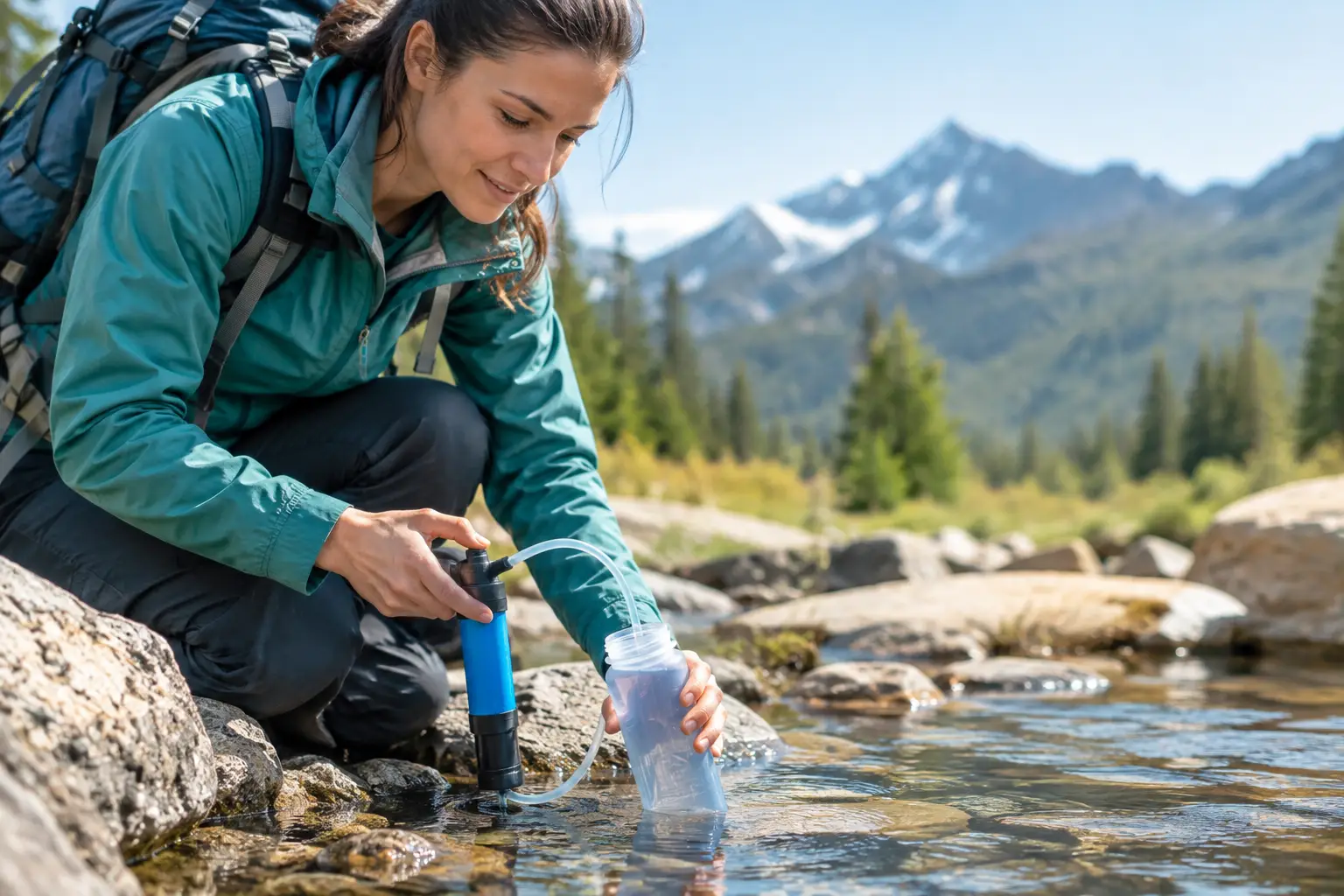
A clear mountain stream can look like the safest water on the trail - and still carry organisms that can end a trip fast. Knowing how to purify trail water means planning for what you cannot see: bacteria, protozoa, viruses in higher-risk areas, and contamination from people, livestock, or wildlife upstream.
For most hikers and campers, the best approach is simple: carry a primary treatment method you know how to use, plus a lightweight backup. The right setup depends on your route, group size, water sources, weather, and how much time you can spare at each refill.
Start With the Cleanest Source Available
Treatment works better when you begin with better water. Look for moving water from a source upstream of roads, campgrounds, grazing areas, and heavily used trails. A small, fast-flowing creek is generally a better choice than a stagnant pond, but moving water is not automatically safe.
Collect from the clearest spot you can reach. Avoid disturbing the bottom, where sediment and organic material collect. If the water is cloudy, let it settle in a container first, then carefully pour the clearer water into your treatment bottle or reservoir. A bandana, coffee filter, or clean cloth can remove grit and larger debris before treatment, but it does not make water safe to drink.
Keep collection gear clean. Do not dip the clean end of a filter, hydration hose, or bottle cap into untreated water. That small mistake can contaminate treated water later, even if your filter did its job.
What Trail Water Treatment Needs to Handle
The main concern in North American backcountry water is usually microorganisms. Protozoa such as Giardia and Cryptosporidium can cause serious digestive illness and are common reasons hikers treat every natural source. Bacteria, including E. coli and Campylobacter, can also come from animal waste or human contamination.
Viruses are less common in remote US backcountry water, but the risk rises around crowded camps, areas with poor sanitation, and international travel. A standard backpacking filter is not always enough for viruses. If viruses are a realistic concern, choose a purifier rated for them or combine treatment methods.
Neither filters nor common chemical treatments reliably remove every industrial chemical, dissolved heavy metal, or agricultural contaminant. If a source smells like fuel, has an oily sheen, sits near mining activity, or is downstream from a known contamination site, find another source. Do not assume treatment will fix it.
The Main Ways to Purify Trail Water
Pump, squeeze, gravity, and bottle filters
Filters are the practical choice for many day hikers, backpackers, and family campers because they provide drinkable water quickly. Most trail filters use hollow-fiber membranes with pores around 0.1 or 0.2 microns. These are designed to remove protozoa and bacteria when used correctly.
A squeeze filter is compact and works well for solo hikers who need to refill a bottle or hydration bladder. Pump filters are useful when you need to draw from shallow water or awkward puddles. Gravity systems make sense for camp because they can treat several liters while you set up shelter, cook, or organize gear. Bottle filters are convenient for short hikes, although their capacity and flow rate may be limiting for groups.
Check the product specifications before your trip. A filter that removes bacteria and protozoa may not be a true purifier. In outdoor gear terms, a purifier is typically rated to address viruses as well. Also check whether the system works with your bottle threads, reservoir, or hydration pack.
Filters need care in cold weather. If a hollow-fiber filter freezes after it has been used, internal fibers can crack without obvious damage. Keep it in a pocket during the day and inside your sleeping bag overnight when temperatures may dip below freezing. Backflush it as directed to maintain flow, and replace it if the manufacturer says freezing may have compromised it.
Boiling water
Boiling is dependable, requires no specialized cartridge, and kills bacteria, protozoa, and viruses. Bring water to a rolling boil for one minute. Above 6,500 feet, boil it for three minutes because water boils at a lower temperature at elevation.
The trade-off is fuel, time, and waiting for the water to cool. Boiling can be a strong option for base camp, emergencies, or winter trips where filters may freeze. It is less convenient when you need several liters quickly during a long, hot climb.
Use a clean pot and clean bottle for the treated water. If you pour boiled water back into a bottle that held untreated water, avoid touching the clean water with a contaminated cap or dirty hands.
Chemical treatment tablets and drops
Chlorine dioxide tablets or drops are compact, light, and easy to keep as backup treatment. They are especially useful when you want an option that cannot freeze and takes almost no pack space. Follow the label exactly, including water temperature and required wait time.
Clear water may be ready sooner than cold or cloudy water, but treatment times often range from 30 minutes to several hours. Some protozoa, particularly Cryptosporidium, require the longest contact time. Read the instructions before you are thirsty and standing beside a creek at dusk.
Iodine products can treat many bacteria and viruses, but they have limitations against Cryptosporidium and can leave a noticeable taste. They are not the best choice for everyone, including people with certain thyroid conditions or those who are pregnant. Chlorine dioxide is usually the more versatile chemical option for trail use, though neither method is ideal for water full of sediment.
UV purifiers
UV treatment devices use ultraviolet light to neutralize microorganisms. They are fast, simple, and effective against bacteria, protozoa, and viruses when the water is clear and the device is used properly.
UV has two major limitations: it needs batteries or charging power, and cloudy water can shield organisms from the light. Carry spare power on longer trips, and prefilter silty water before using UV. For vehicle camping or a supported base camp, a compact power station can make recharging easier, but a non-electric backup is still smart.
A Practical Water Plan for Different Trips
For a day hike near reliable streams, a compact squeeze filter plus a few chemical tablets is a balanced setup. The filter handles routine refills quickly, while tablets cover a damaged filter, a freezing night, or an unexpected delay.
For multi-day backpacking, think in terms of daily volume and group capacity. A gravity system can save time for two or more people, while a squeeze filter may be lighter and more efficient for one person. Carry enough storage to leave a dry stretch with the water you need, not just the water you can treat at the source.
For family camping or overlanding, bring a higher-capacity gravity filter, pump, or large purifier along with a dedicated container for clean water. Separating untreated and treated containers reduces confusion when several people are filling bottles, cooking, and washing dishes around camp.
For emergency kits, chemical treatment is easy to store, but it should not be the only plan. Include a metal pot for boiling when possible, a filter suited to your expected conditions, and containers that can carry water from the source to your shelter.
Use a Two-Step Method When Conditions Are Bad
Cloudy, muddy, or algae-filled water calls for more patience. First strain out visible debris and allow sediment to settle. Then filter or chemically treat the clearer water. In high-risk situations, combining methods adds a useful layer of protection: filter first, then use chlorine dioxide or boil.
This is not always necessary for every clear mountain stream, and doubling up can consume time, fuel, or supplies. But it is a sensible choice when water quality is questionable, illness would create a serious safety problem, or you are traveling with children, older adults, or anyone more vulnerable to dehydration.
Common Mistakes That Defeat Good Gear
The biggest errors are usually routine ones: waiting until your bottles are empty, treating only the water you drink but not the water used for cooking, and confusing a sediment filter with a microbiological filter. A filter’s pore size, certification, capacity, and maintenance instructions matter more than its appearance.
Do not rely on taste, smell, or clarity. Do not drink untreated water because a local animal drinks from it. And do not collect water beside camp when a cleaner source is available upstream. Animals tolerate pathogens differently than people, and a beautiful creek can be contaminated a few hundred yards above you.
Before leaving, test your system at home. Practice filling the reservoir, operating the filter, measuring chemical drops, or using the UV device. NorthWest Trail Co carries trail-ready hydration and camp gear for different trip styles, but the best treatment setup is the one you understand before the first refill.
Water is easier to manage when it is part of your route plan, not a last-minute problem. Mark likely sources, carry a backup, and treat every refill with the same attention you give shelter, navigation, and weather. That habit keeps a good trail day from becoming a long walk out.
